
Managing home repair projects can quickly become overwhelming when more than one specialist is involved. What starts as a straightforward plan often turns into a web of schedules, overlapping work areas, inspections, and dependencies that must align correctly. Homeowners frequently find themselves juggling phone calls, emails, site access, and progress updates, all while trying to maintain a livable home. Without a clear organizational approach, even well-intentioned projects can stall or become frustrating.
Organization is not just about keeping paperwork in one place; it’s about sequencing tasks properly, understanding how one repair affects another, and maintaining consistent communication. When specialists arrive out of order or without the right information, delays and rework become far more likely. Homeowners who stay proactive and structured throughout the process often experience smoother timelines and fewer disruptions.
This guide walks through practical strategies for keeping repair projects organized when multiple professionals are involved. By breaking the process into manageable phases and focusing on coordination, documentation, and communication, homeowners can maintain control from start to finish. With thoughtful planning and oversight, even large-scale repairs can remain manageable and efficient.
Coordinating Exterior Work That Sets the Project Timeline
The exterior of a home often dictates how and when interior projects can move forward. Structural and weather-related work must be completed first to protect everything that follows. When coordinating professionals such as local roofing companies, homeowners benefit from setting clear expectations about access, staging areas, and completion benchmarks before any interior work begins.
Exterior work influences safety, moisture control, and overall site readiness. A delay or miscommunication at this stage can affect every specialist scheduled afterward. Creating a written timeline that shows when exterior tasks start and finish helps prevent overlap and confusion. It also allows homeowners to communicate realistic expectations to interior specialists who rely on a secure building envelope.
Regular check-ins during exterior work are essential. Homeowners should confirm progress milestones, verify that materials are staged properly, and document completed phases. This level of involvement doesn’t require technical expertise—only consistency. When exterior coordination is handled early and clearly, it establishes a strong foundation for all remaining repairs.
Managing Recovery-Driven Repairs After Property Damage

When a home has experienced serious damage, repair organization becomes even more important. Specialists involved in flood and fire damage restoration often need to complete their work before any permanent repairs can begin. This phase focuses on stabilization, cleanup, and preventing secondary damage, all of which affect future scheduling.
Homeowners should request detailed completion reports and clearance confirmations once restoration work is finished. These documents help confirm that the home is ready for subsequent specialists and reduce uncertainty about hidden damage. Keeping restoration paperwork accessible allows future professionals to understand what was addressed and what areas may still need attention.
Because restoration work often reveals additional issues, flexibility is key. Homeowners should build buffer time into their schedules and communicate openly with all upcoming specialists. By treating recovery work as a critical planning phase rather than a quick fix, homeowners can avoid disruptions later in the repair process.
Sequencing Cleaning and Remediation Specialists Properly
Certain repairs require specialized cleaning before reconstruction can safely begin. When coordinating smoke damage cleaning services, timing and communication are especially important. These specialists must complete their work thoroughly before walls are sealed, finishes are installed, or new materials are introduced.
Homeowners should confirm which areas require treatment and how long surfaces need to remain accessible afterward. Cleaning specialists often need unobstructed access, so scheduling them before cabinetry, flooring, or painting prevents rework. Written confirmation of completed cleaning phases helps document readiness for the next stage.
Clear sequencing avoids confusion among trades. When everyone understands that cleaning comes before rebuilding, projects move forward without backtracking. Homeowners who document these transitions reduce misunderstandings and maintain a smoother workflow across all specialists.
Integrating Electrical Work Into the Overall Schedule
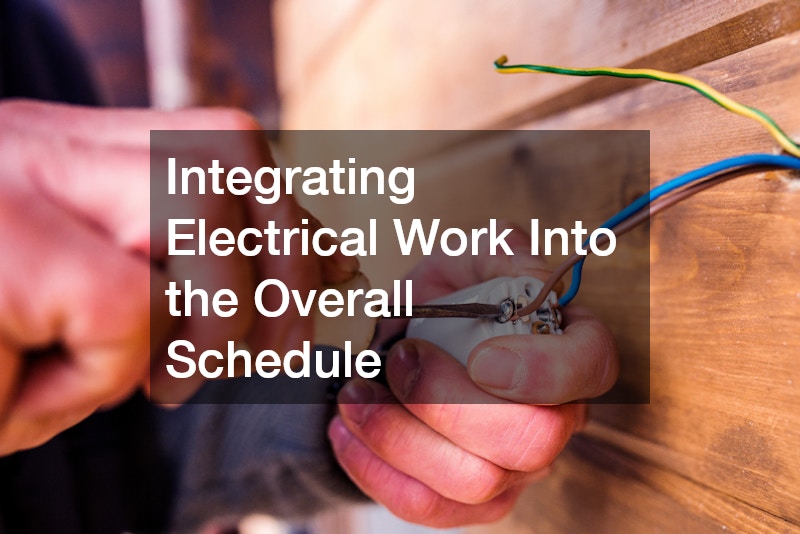
Electrical work touches nearly every part of a home, making careful coordination essential. A certified electrician typically needs access before walls are closed and after certain demolition tasks are completed. Misalignment at this stage can cause delays for multiple trades.
Homeowners should request a scope overview from the electrician and identify dependencies early. Knowing which tasks must happen first helps create a realistic schedule that supports efficient progress. This also allows other specialists to plan their work without conflict.
Keeping electrical documentation organized—such as inspection approvals and circuit layouts—supports smoother coordination later. When electrical work is integrated intentionally into the broader plan, it reduces disruptions and supports consistent forward movement.
Aligning Groundwork With Structural and Utility Plans
Foundational and site-level work often affects multiple repair phases. When coordinating a local excavating company, homeowners should confirm how excavation impacts access, drainage, and underground utilities before scheduling interior specialists.
Excavation can influence timelines more than expected. Soil conditions, weather, and permitting requirements may shift schedules. Homeowners who track excavation milestones and communicate updates promptly help keep downstream work aligned. Documenting completed groundwork provides clarity for later phases. When excavation is treated as a coordinated step rather than an isolated task, homeowners maintain better control over the entire repair process.
Coordinating Interior Storage and Layout Specialists

Interior organization projects often overlap with structural and mechanical work, making coordination especially important. When working with a closet designer, homeowners should confirm that framing, electrical, and wall finishes are complete before measurements are finalized. Storage systems rely on precise dimensions, and even small changes to wall depth or ceiling height can affect the final design. Scheduling these services too early can lead to redesigns or delays.
Clear communication helps prevent conflicts between interior specialists. Homeowners should provide designers with updated floor plans and confirm when spaces will be cleared for installation. This ensures storage solutions align with how the home will actually function after repairs are complete. Closet systems are often among the final visible elements of a project, which makes timing and accuracy especially important.
Keeping written approvals and design documents organized also helps maintain momentum. When installers arrive, having finalized layouts readily available reduces questions and uncertainty. Interior planning may feel less urgent than structural work, but careful coordination at this stage helps avoid last-minute complications and supports a smooth transition toward project completion.
Managing Access, Permissions, and Site Oversight
As more specialists rotate through a property, site access becomes increasingly difficult to manage. Homeowners benefit from establishing consistent protocols for entry, scheduling, and on-site communication. Tools like shared calendars, access logs, and designated points of contact help keep everyone aligned. Using platforms or systems such as vip for site owners can support centralized updates without requiring constant phone calls.
Clear expectations around access reduce confusion and minimize disruptions. Specialists should know when they’re permitted on-site, which areas are active, and where materials can be staged. Homeowners who document these guidelines create a more predictable workflow and reduce the likelihood of accidental interference between trades.
Oversight doesn’t mean micromanagement. It means maintaining visibility into progress and decisions. Keeping daily notes, photos, or brief summaries allows homeowners to track milestones and quickly resolve questions. Strong site organization supports efficiency and reinforces accountability across all professionals involved.
Beyond scheduling logistics, homeowners also benefit from establishing clear boundaries and expectations for on-site behavior. This includes defining where tools can be stored, which entrances should be used, and how cleanup is handled at the end of each workday. These details may seem minor, but they reduce friction between specialists and prevent misunderstandings that can slow progress. When expectations are documented and shared, professionals are more likely to respect shared spaces and timelines.
Security is another important consideration during extended repair projects. Multiple people entering and exiting the property increases the risk of misplaced items or miscommunication. Homeowners who track who is on-site and when create a stronger sense of accountability. Even simple check-in procedures help maintain order and transparency throughout the project.
Consistent oversight also allows homeowners to spot issues early. If work areas begin to overlap unexpectedly or materials are staged incorrectly, addressing the concern quickly prevents larger disruptions. This proactive involvement helps maintain momentum and keeps everyone aligned with the overall plan.
Scheduling Structural Repairs With Minimal Disruption

Structural fixes often sit at the center of repair timelines, influencing when many other tasks can begin or end. When planning roof repairs, homeowners should confirm that all related inspections, material deliveries, and weather considerations are addressed early. Structural work frequently impacts interior schedules, so clarity at this stage is essential.
Communication between specialists matters here. Interior contractors should know when structural work will finish, while structural professionals need awareness of upcoming installations. Homeowners who coordinate these transitions help prevent downtime and overlapping work that can slow progress.
Documenting completed structural phases helps maintain momentum. Once repairs are finished, confirmation allows interior work to resume without hesitation. Treating structural scheduling as a central reference point supports smoother sequencing and helps homeowners keep control over complex repair timelines.
Structural work often brings noise, vibration, and temporary access limitations that affect the entire household. Preparing for these disruptions ahead of time allows homeowners to adjust routines and reduce stress. Planning alternate living arrangements for certain days or clearly identifying restricted areas helps maintain safety and organization while work is underway.
Communication during this phase is especially important. Structural tasks may reveal conditions that weren’t visible during initial inspections, which can affect timelines or sequencing. Homeowners who remain flexible while requesting clear explanations are better positioned to make informed decisions without derailing progress.
Maintaining a written log of structural milestones can also be helpful. Recording when specific tasks are completed allows other specialists to resume work confidently. This documentation provides clarity and prevents assumptions that can lead to scheduling conflicts. Thoughtful coordination during this phase supports smoother transitions into later stages of the project.
Integrating Mechanical System Updates Into the Plan
Mechanical systems require careful alignment with both structural and interior work. Tasks such as water heater installation depend on access to utility connections, finished flooring levels, and sometimes updated electrical components. Scheduling these upgrades at the correct moment avoids rework and safety concerns.
Homeowners should confirm prerequisites before mechanical work begins. This includes verifying that space is cleared, connections are ready, and inspections are scheduled appropriately. Mechanical specialists often work quickly once conditions are right, but delays in preparation can stall progress unexpectedly.
Keeping permits, inspection approvals, and manuals organized supports long-term clarity. Mechanical upgrades may not be visible once walls are closed, but they play a critical role in daily comfort and functionality. Thoughtful coordination at this stage ensures systems integrate seamlessly with the rest of the home.
Finalizing Openings, Finishes, and Exterior Details
The final stages of a repair project often involve visible upgrades that define the home’s finished appearance. Installing windows sourced from the best window manufacturers typically occurs after structural and weatherproofing work is complete, but before final interior finishes. Timing matters to protect materials and support proper installation.
Homeowners should verify measurements, delivery schedules, and installation windows well in advance. Delays at this stage can affect insulation, trim, and painting schedules. Clear sequencing prevents unnecessary exposure to the weather and reduces the risk of damage.
As finishing details come together, documentation remains important. Warranties, specifications, and installation confirmations should be stored together for future reference. These final steps bring the project full circle, turning coordinated planning into a polished result that reflects careful organization from start to finish.
Keeping home repair projects organized when multiple specialists are involved requires intention, communication, and steady oversight. Each phase builds on the last, and small misalignments can ripple through the entire schedule. Homeowners who track progress, document decisions, and coordinate transitions are better positioned to maintain control and reduce stress.
Organization isn’t about doing everything yourself. It’s about creating systems that support collaboration and clarity. When specialists understand timelines, access expectations, and dependencies, projects move forward more smoothly. Clear records and proactive planning allow homeowners to respond to changes without losing momentum.
By approaching repairs as a series of connected steps rather than isolated tasks, homeowners can guide even large projects toward successful completion. With structure and consistency, managing multiple specialists becomes far more manageable—and the end result reflects the effort invested along the way.