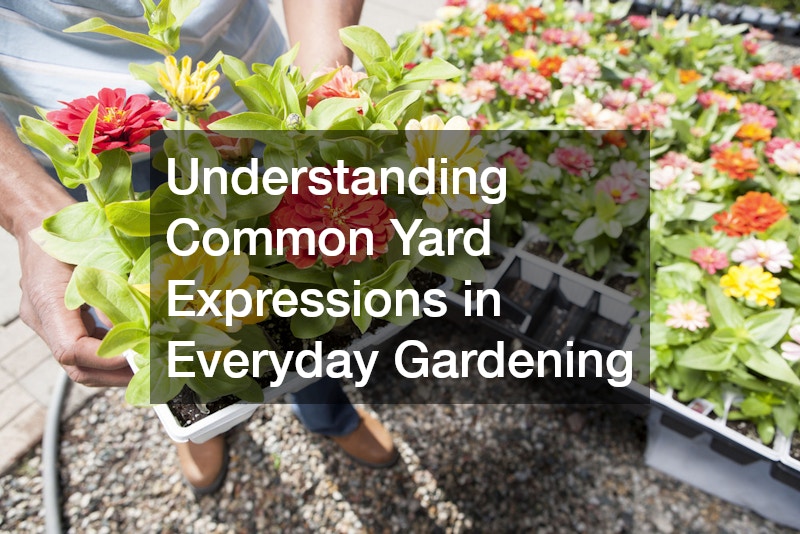
Gardening and landscaping come with their own language, and understanding that language can make a noticeable difference in how outdoor projects come together. Many homeowners hear different yard expressions thrown around during planning conversations but are not always sure what they mean or how they apply. These terms often reflect practical ideas about design, maintenance, and the way outdoor spaces are shaped over time. When you become familiar with them, it becomes easier to communicate with professionals and make decisions that match your goals.
As outdoor spaces continue to evolve into full living environments, sometimes referred to as outdoor living areas, the language around them becomes more important. Understanding yard expressions gives you more control over your project and helps you avoid confusion when planning features like patios, decks, or garden layouts. In this article, we will explore how these terms show up across different aspects of gardening and landscaping, and how they connect to real-world services and design choices.
What Is A Landscape Designer And What Do They Do

Roles And Responsibilities Of A Landscape Designer
A landscape designer plays a central role in shaping how outdoor spaces look and function. They are responsible for combining creativity with practical planning, ensuring that every element of a yard works together smoothly. This often includes plant selection, layout design, drainage considerations, and hardscape planning. In many discussions, you will hear yard expressions used to describe how different zones of a property should feel or function, especially when balancing aesthetic appeal with usability.
A landscape designer also coordinates with other professionals such as land surveying experts and a concrete business to make sure the project is structurally sound and properly scaled. They may incorporate outdoor living features like seating areas, walkways, and garden focal points that align with the homeowner’s goals. In larger projects, they often collaborate with a pool company or deck builder to integrate additional features seamlessly into the design.
Choosing The Right Landscape Designer
Selecting the right landscape designer requires more than just reviewing a portfolio. It involves understanding how they interpret yard expressions and whether their design philosophy aligns with your expectations. Some designers focus heavily on modern minimalism, while others lean toward natural, organic layouts that emphasize outdoor living harmony.
Experience is especially important when projects involve coordination with a land clearing service or structural teams like deck builders. A strong designer will understand how to work alongside a concrete business or pool company to ensure that all components of the project fit together logically. They will also be familiar with regional considerations that may affect grading, drainage, and long-term maintenance.
How Is Concrete Used In Gardening
Applications Of Concrete In Outdoor Spaces
Concrete plays a major role in shaping durable and long-lasting garden features. It is commonly used for walkways, patios, retaining walls, and even decorative elements that define outdoor living areas. In many cases, yard expressions are used to describe the structure and flow of these concrete installations, especially when discussing transitions between garden zones or functional spaces.
A landscape designer often works closely with concrete planning to ensure that hard surfaces complement softer garden elements. This balance is essential when creating a cohesive outdoor environment that feels intentional rather than fragmented. Concrete can also support features designed by a pool company or deck builder, helping unify different parts of a backyard into a single functional layout.
Finding A Reliable Concrete Business For Your Project
Choosing the right concrete business can significantly impact the success of your project. A skilled provider understands not only material quality but also how to interpret design intent and yard expressions used during planning discussions. This ensures that the final result aligns with both functional and aesthetic expectations.
When evaluating a concrete business, it is important to review past projects and confirm their experience with residential outdoor living installations. Many reputable providers work closely with deck builders, pool companies, and landscape designers to ensure consistency across different phases of construction. Their ability to coordinate with other specialists often determines how smoothly the project progresses.
What Does Land Surveying Entail
The Importance Of Land Surveying In Gardening
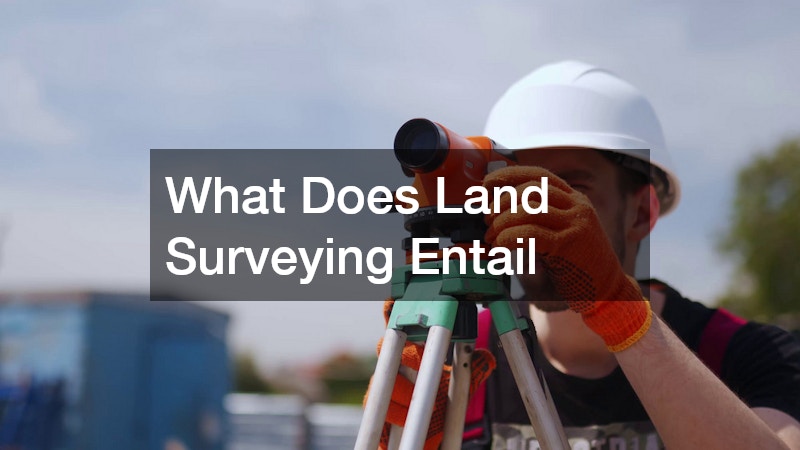
Land surveying is one of those behind-the-scenes steps that quietly shapes everything that follows in a landscaping or gardening project. It determines the exact boundaries, elevations, and contours of a property so that every structure and planting decision is made with accuracy. Without it, even the most thoughtful plans can end up misaligned or impractical once construction begins. In conversations with a landscape designer, yard expressions are often used to describe how the land “feels” or should function, but surveying turns those ideas into measurable reality.
Survey data becomes especially important when outdoor living features are involved. Patios, garden beds, and water features all depend on correct grading and spacing. A concrete business, for example, relies heavily on survey markers to ensure walkways and slabs are level and properly positioned. Even a pool company will base installation decisions on survey results to avoid drainage issues or boundary conflicts.
Choosing A Land Surveyor What To Consider
When selecting a land surveying professional, accuracy and experience should be top priorities. You want someone who understands not only technical mapping but also how their work influences broader outdoor living plans. Many surveyors collaborate directly with a landscape designer or deck builder to ensure every element aligns with property conditions.
Communication also matters. A good surveyor can interpret informal yard expressions from homeowners and convert them into actionable data. That translation is essential when coordinating with contractors like a concrete business or even a land clearing service that prepares the site before construction begins.
What Is Land Clearing And Why Is It Necessary
Understanding The Land Clearing Process
Land clearing is the process of preparing a property by removing trees, brush, rocks, and other natural or man-made obstacles. It is often the first physical step in transforming an undeveloped or overgrown area into a usable space. This stage sets the foundation for everything that follows, from garden beds to full outdoor living environments.
A land clearing service typically evaluates the terrain first, identifying what needs to be removed and what can be preserved. This is where yard expressions often come into play, especially when homeowners describe areas as “wild,” “open,” or “too dense.” These informal descriptions help guide initial decisions before machinery and crews begin work.
When To Hire A Land Clearing Service
Hiring a land clearing service is typically necessary when a property is heavily wooded, uneven, or cluttered with debris that prevents construction. It is also common when preparing land for larger outdoor living projects that include multiple structures or elevation changes.
Timing is important. Ideally, clearing should happen before land surveying and design work begin in detail. This ensures that the landscape designer is working with an accurate and usable site. It also helps avoid redesigns caused by hidden obstacles or unexpected terrain issues.
Yard expressions often influence the decision to hire professionals. Homeowners might describe their yard as “overgrown” or “unusable,” which signals that basic maintenance will not be enough. In these cases, a land clearing service provides the level of intervention needed to reset the space entirely.
How Can A Pool Company Enhance Your Garden Space
Integrating Pools Into Garden Design
A pool company can completely transform the feel and function of a backyard by introducing water as a central design feature. Pools are no longer standalone installations; they are now key components of larger outdoor living environments. When planned well, they blend seamlessly with landscaping, seating areas, and garden paths.
A landscape designer often works closely with a pool company to ensure that the pool fits naturally into the overall layout. Yard expressions are frequently used during early discussions to describe how the space should feel—whether calm, resort-like, or family-focused. These descriptions help guide decisions about shape, placement, and surrounding materials.
Choosing The Right Pool For Your Outdoor Living Space
Selecting the right pool involves more than choosing a shape or size. It requires careful consideration of how the pool will interact with the rest of the property. A pool company will typically evaluate yard dimensions, soil conditions, and intended use before making recommendations.
Yard expressions often come into play when homeowners describe how they want the space to feel. Words like “relaxing,” “open,” or “private” help guide design choices. A landscape designer then translates those ideas into a layout that includes complementary features such as planting beds, seating areas, and pathways.
Deck builders frequently collaborate on pool projects to create surrounding platforms or lounging areas that enhance usability. A local deck builder can ensure that materials and construction methods match regional conditions, improving longevity and safety.
In more complex projects, coordination with a land clearing service may be required before installation begins. Once the site is prepared, all other elements can be integrated more smoothly, resulting in a cohesive outdoor living space.
What Role Does A Deck Builder Play In Outdoor Living Spaces
Benefits Of Adding A Deck To Your Garden
A deck is one of the most versatile additions to any backyard, offering a structured space for relaxation, dining, and social gatherings. It bridges the gap between indoor comfort and outdoor living, making the yard more usable throughout the year.
Deck builders play a critical role in ensuring that these structures are both functional and visually aligned with the rest of the property. A landscape designer often works closely with them to ensure the deck fits naturally into the overall layout. Yard expressions are frequently used to describe how the deck should connect to surrounding spaces, whether it feels “raised,” “grounded,” or “flowing.”
Materials and design choices vary depending on the project, and a deck builder will typically recommend options that suit the environment and usage needs. Coordination with a concrete business may also be required for support structures or adjacent patios.
In many outdoor living designs, decks serve as transition zones between gardens, pools, and seating areas. This makes them essential in creating a cohesive and functional backyard experience.
How To Select Local Deck Builders
Choosing the right professionals among local deck builders requires careful evaluation of experience, craftsmanship, and communication style. A strong builder should be able to interpret yard expressions and turn them into practical construction decisions that match the homeowner’s vision.
A local deck builder is especially valuable because they understand regional weather conditions and building requirements. This knowledge helps ensure that the structure remains durable over time. They also tend to have established relationships with other professionals like a pool company or land clearing service, which can streamline project coordination.
Reviewing past projects is essential. Look for consistency in design quality and attention to detail, especially in how the deck integrates with broader outdoor living spaces. A good builder will not treat the deck as an isolated feature but as part of a larger environment.
Collaboration with a landscape designer is also common, especially in more complex projects where multiple features need to work together visually and structurally.
What Are The Best Practices For Creating A Functional Outdoor Living Area
Elements To Consider In Outdoor Living Design
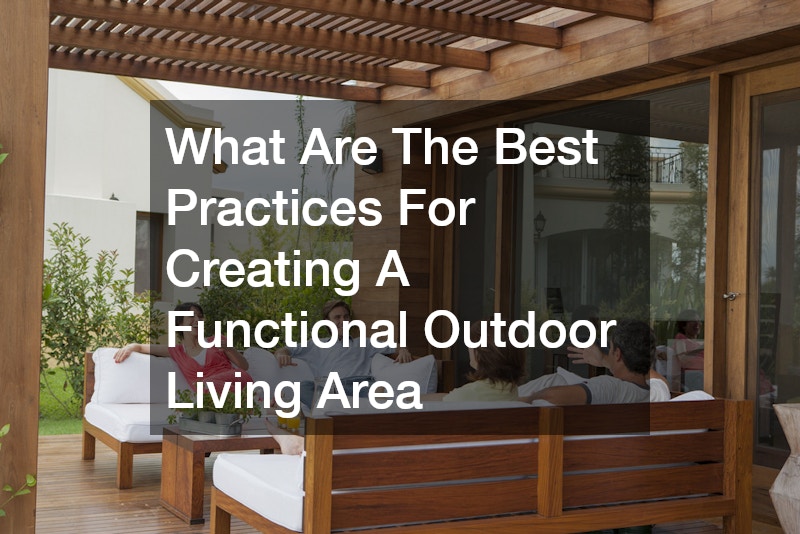
Designing a functional outdoor living space requires balancing aesthetics, usability, and long-term maintenance. Key elements often include seating areas, cooking spaces, gardens, walkways, and entertainment zones. Each of these components must work together to create a unified environment.
A landscape designer typically leads this process, ensuring that yard expressions shared by the homeowner are translated into a practical layout. These expressions help define how the space should feel and function, whether it is relaxed, energetic, or highly structured.
Coordination with a concrete business is often needed for patios and structural surfaces, while a deck builder handles elevated platforms and transitions. A pool company may also be involved if water features are part of the design. In some cases, land surveying and land clearing are necessary early steps to prepare the site.
The goal is to create a seamless flow between different areas so that the outdoor living space feels intentional and easy to use. Yard expressions help guide these decisions by providing a shared language between homeowners and professionals.
Tips For Maintaining Your Outdoor Living Area
Maintenance is an ongoing part of keeping an outdoor living space functional and visually appealing. Regular cleaning, seasonal adjustments, and material upkeep all contribute to long-term durability.
Deck builders often provide guidance on how to care for different materials, while a concrete business may recommend sealing schedules for patios or walkways. A pool company will typically outline maintenance routines to ensure water quality and equipment performance.
Yard expressions can even play a role in maintenance conversations. Homeowners might describe areas as “high traffic” or “low use,” which helps prioritize care efforts. A landscape designer may use these insights to suggest updates or improvements over time.
By maintaining each element properly, the outdoor living space remains both attractive and functional for years.
In the end, successful outdoor spaces are not just built on materials and measurements—they are built on understanding. Yard expressions give shape to that understanding, turning vague ideas into practical direction. When combined with skilled professionals and thoughtful planning, they help transform ordinary yards into fully functional living environments that feel natural, balanced, and enduring.